
Classics for a reason

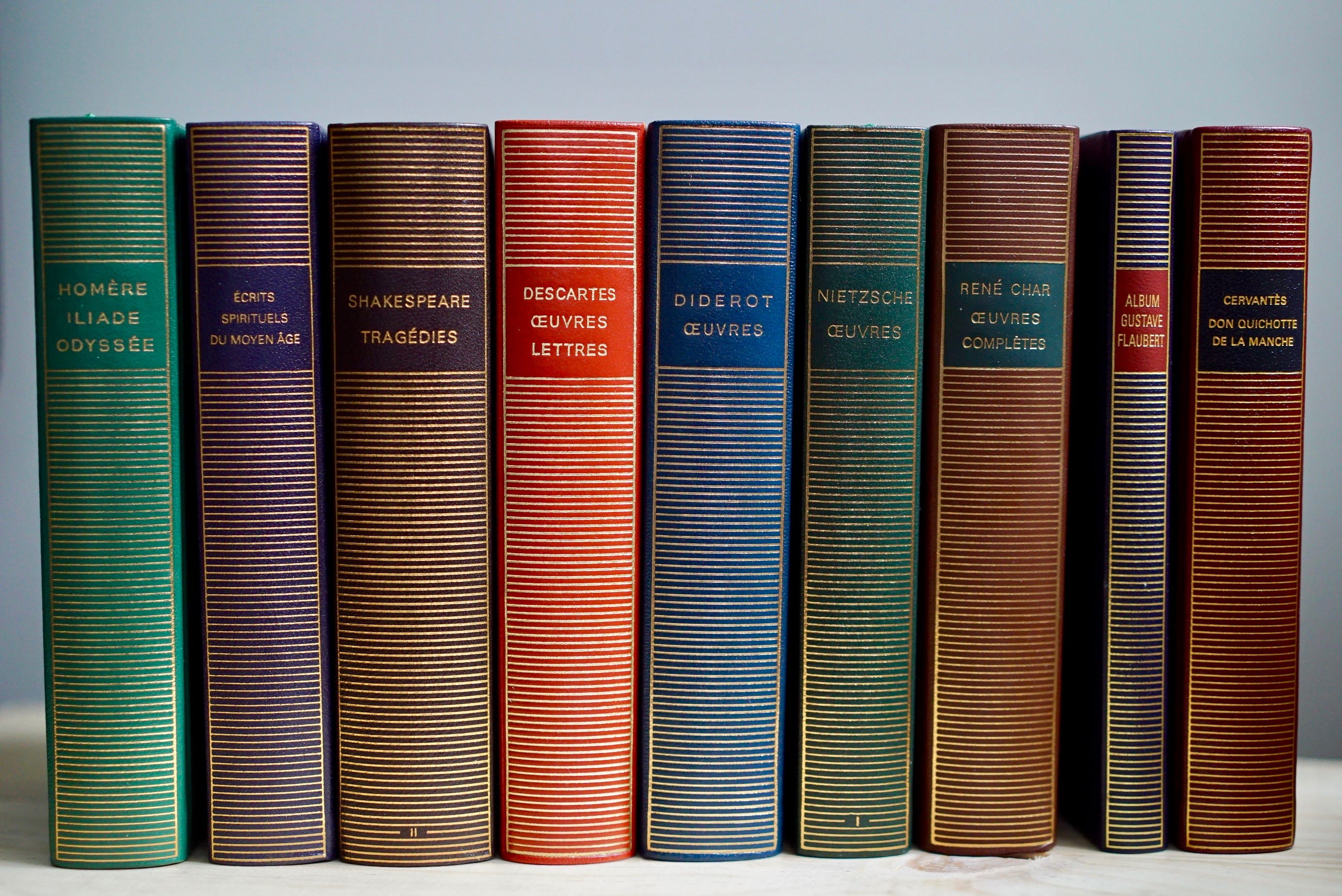
Classics are classics for a reason. They’ve gone through a filter—many filters actually. By the time they’re recommended as classics, the odds that a mistake was made, that the book isn’t all it’s cracked up to be, are practically nil. The older the classic, it seems, the smaller the odds. But classics can get on an accelerated track, where filters are lined up in quick succession, to deliver judgments of quality just about as reliable as they are for the oldies. I just read Vonnegut’s Slaughterhouse-Five, an egregious omission which I’ve known I should read for years, published in 1969, and it really is that good. It took me a couple of days. In fact it was so good it prompted me to write this post.
While there is no such thing as an instant classic, some masterpieces are recognized as such relatively quickly—personally, I think such was the case, and rightly so, with Cormac McCarthy’s The Road, though his reputation and track record no doubt helped. At the time it was one of the most amazing books I’d read in years. I have set it aside as a treat to re-read soon as part of my McCarthy journey. Classics of the twenty-first century may still be few and far between, so your chances of picking a winner among widely recommended recent books are lower. But you don’t need to go that far back in time to get better odds. The second half of the last century contains plenty of classics, most of which I’ve never read. But anytime you encounter them, you understand immediately.
Still, the most reliable way to get that experience is to pick up an old classic, tested again and again by the filters of history. You may not like it, but you can’t really go wrong. You’ve not made a mistake by reading it; you didn’t waste your time. You just didn’t like it, and that’s okay. With more recent releases, the success ratio is lower, but you may get lucky. It’s a riskier gamble, and you must consider the opportunity costs. I read a lot of recent nonfiction and the occasional contemporary novel. I need it, I want it, it is a great use of my time. However, I am never let down by a classic the way I can be by even the best reviewed books of the last few years, in both fiction and nonfiction. There are too many bad books out there and not enough good filters in place to properly sort the wheat from the chaff. If you’re short on time, you’ll get more value out of time-tested classics. More bang for your buck. (And fewer cliches than in this newsletter.)
Classics can be trusted. But more than that, they reliably put you in touch not just with the past—all artifacts from the past can do so—they also bring you as close to objective value as you can possibly get. Classics realize a kind of non-accidental convergence of judgment. You don’t even need to believe in mind-independent value for this (I don’t); maybe there is no objective value in that sense. But for all intents and purposes, you’re close enough. You can trust the process, as Hume recognized when he argued that convergent judgment over time creates a reliable standard of taste, even without objective beauty. This access to value provided by classics in turn gives us reasons to set up filters, so our descendants can later be grateful we maintained some standards. Each subsequent generation has to perpetuate the selection process to ensure that, at the end of the line, someone can pick up a book being virtually certain it will blow them away. If we don’t, we make our descendants’ access to near-objective value more dicey.
This is true in literature as well as music and all the other arts. (For an interesting perspective on great books in philosophy, see this excellent post by Daniel Greco.) A corollary of my view is that classics can’t really be overrated. The snobbish dismissal of Mozart as too popular, too easy, or too much of the same, is just silly. The people who listen, and there are many of them, know Mozart is one of the all-time greats for a reason. It’s not like the great conductors and performers snubbed Mozart. The only one who did—Glenn Gould—actually recorded Mozart, and it is terrible. You may prefer Bach or Beethoven, and that is fine. But it’s no accident that Mozart always ranks at the top of lists of both the most popular and the best composers of all time—the lists didn’t make him so; their convergence signals that he was. Ironically, some of the people who understood and appreciated Mozart best are those the snobs tend to favor over him—Haydn and Beethoven. The snobs are what Pascal called ‘demi-habiles’ (a high-brow version of the midwit meme).
In the last few years, I’ve started reading classics I never got to during my studies. Having received a classical education, I’ve read many classics, but I’ve always operated at a deficit, starting late, not being an especially voracious, much less fast, reader. As a result, there have been some outrageous omissions I won’t mention. So I began reading classics again in my forties—Dostoevsky, Balzac, Tolstoy, Austen. I read War and Peace this year and just followed up with Shelley’s Frankenstein, Chopin’s The Awakening, and Vonnegut’s Slaughterhouse-Five. There are so many more yet to tackle. Next year, I’m looking forward to Moby-Dick and Anna Karenina, more Austen, Faulkner, Hemingway, Morrison. And I’d like to actually read the Iliad and the Odyssey, for real, at long last.
It never ends. It’s inexhaustible, it’s incredible, and most of it is available right here, right now, if you can afford to take the time to read. I’m aware of how blessed I am to be able to spend all that time getting so close to objective value. So, on my birthday, I decided to express my gratitude—just a self-indulgent treat.
I enjoyed your post. I am also on the path of reading classics. I really enjoyed reading The Iliad and The Odyssey. I am looking forward to when my reading plan hits the books you mentioned in your article. One may not like a classic work, but it's a rare work that doesn't get one thinking about it.
>It’s not like the great conductors and performers snubbed Mozart. The only one who did—Glenn Gould—actually recorded Mozart, and it is terrible.
But have you heard András Schiff's Chopin?!